
Nov 8, 2026
Yes, Communism! Part V: A Populist Case for Communism
Capitalist power over our work, housing, food, and bodies is more total than any communist dreamed. M. Sanchez makes the populist case for a world run on care instead of profit.
by M. Sanchez
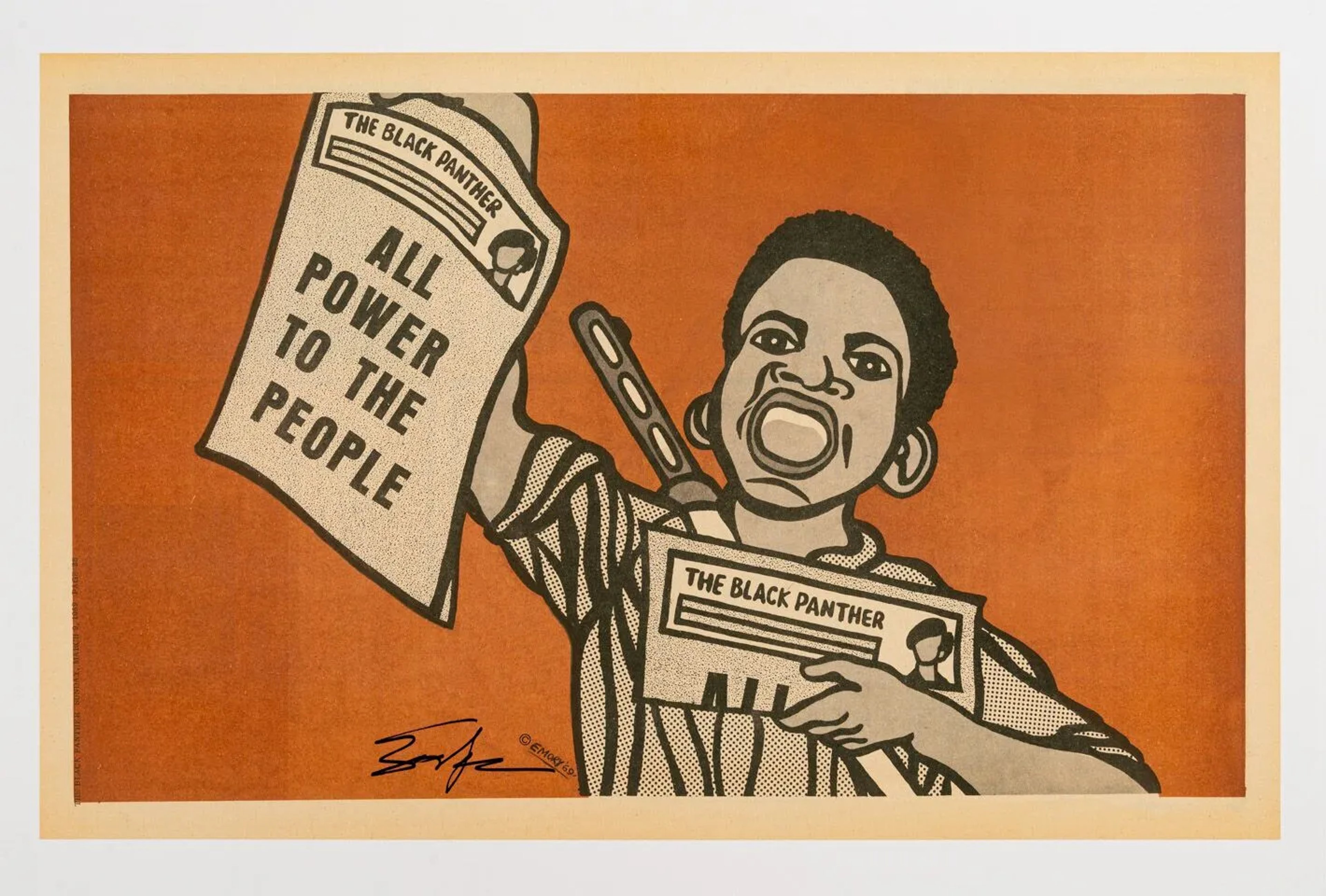
A populist case for communism
Populism is a democracy of sentiment mobilized in a war against its enemies.
Freedom means unconscious spontaneity as much as it means conscious planning. Both are tied together by heroic episodes of emancipation. I erect no border walls between populism and communism to stop the passage of people between the two.
I’m not interested in denying that capital-C Communist Parties are part of communism. Communism is much broader and deeper than capital-C Communism.
If we are going to criticize Communists, we can only do so from the standpoint of freedom itself. Otherwise, we would merely be complaining that they have been as cunning and brutal in politics as every other competing movement of the twentieth century, from fascism to liberalism.
Any objection we could make to the Communists of yesterday who tried to become the masters of capital would be just as true of the “Communist” totalitarianism of the capitalists of today, who have mastered the world under the Washington Consensus.
Part III. Capitalism is killing us
The present-day power of King Capital and his corporate overlords over our workplaces, schools, housing, communications, even our very food and bodies themselves has become more totalitarian than any twentieth century Communist could have dreamed.
Capitalist totalitarianism has dug its claws into our very spontaneity itself, arresting our desires with images of commodities.
Capitalist authority has become an intolerable inner fetter on our entrepreneurship, commerce, and competition.
If we want to make our own way in life, we have to make lots of money for ourselves and others to fund it.
If we want to exchange things with others, we have to do it through the money system and its officially approved venues for commerce.
If we want to enjoy friendly competition with others to see who has the greatest mastery over their own skills, we only enrich and empower the masters who rule all of us.
The invisible hand of the market that liberals once hoped would create a great harmony out of the self-interested actions of all is held in chains by the monopoly of private property.
We treat the nature within us and all around us as little more than raw materials for working and making money.

We forget how to appreciate the inherent wealth that we encounter in the natural world just as often as we are parted from the wealth that we ourselves have created.
We are supposed to believe that it was somehow worth it that millions of indigenous peoples were torn from their lands and slaughtered just for the newly colonized earth to ultimately be used for a tobacco farm or a Wal-Mart.
We accept the arbitrary authority of others in order to participate in the process of transforming the world into something useful to us.
They tell us that they rape the earth for our sake. Yet the ownership and power of a few over the fate of the world hurts the many just as much as it does our planet itself.
Segment III.A. The unfreedom of the free market
We are indoctrinated practically from the moment of our birth to believe that present-day capitalist society is already the greatest freedom in history, and that anyone who works hard and smart can succeed.
In reality, the freedom that this system offers to us on paper is intimately bound up with the chains of unfreedom in our practice.
Let me demonstrate what I mean by that with some examples.
You are free to exercise flexibility in who you work for and what you do for a living. But only by accepting many conditions. Career prospects are decided by the money-to-money motivated allocation of capital and the arbitrary split-second judgements of your character made by hirers. Jobs are made available or unavailable according to whichever is more expedient to the owners of wealth. Those without property have no choice but to work for someone else’s benefit, because the conditions of our existence as a whole and the means for the production of wealth in particular are monopolized by a few as their exclusive property.
You can buy anything you’d like within the bounds of the law. Yet you are also drafted into the money system from birth because you must pay to live in a world where necessities are commodities. The materials and conditions needed to obtain necessities through labor are privatized by other people. You can’t just live off the land or sustain yourself through usufruct, because the entire earth has already been carved up into property and real estate.
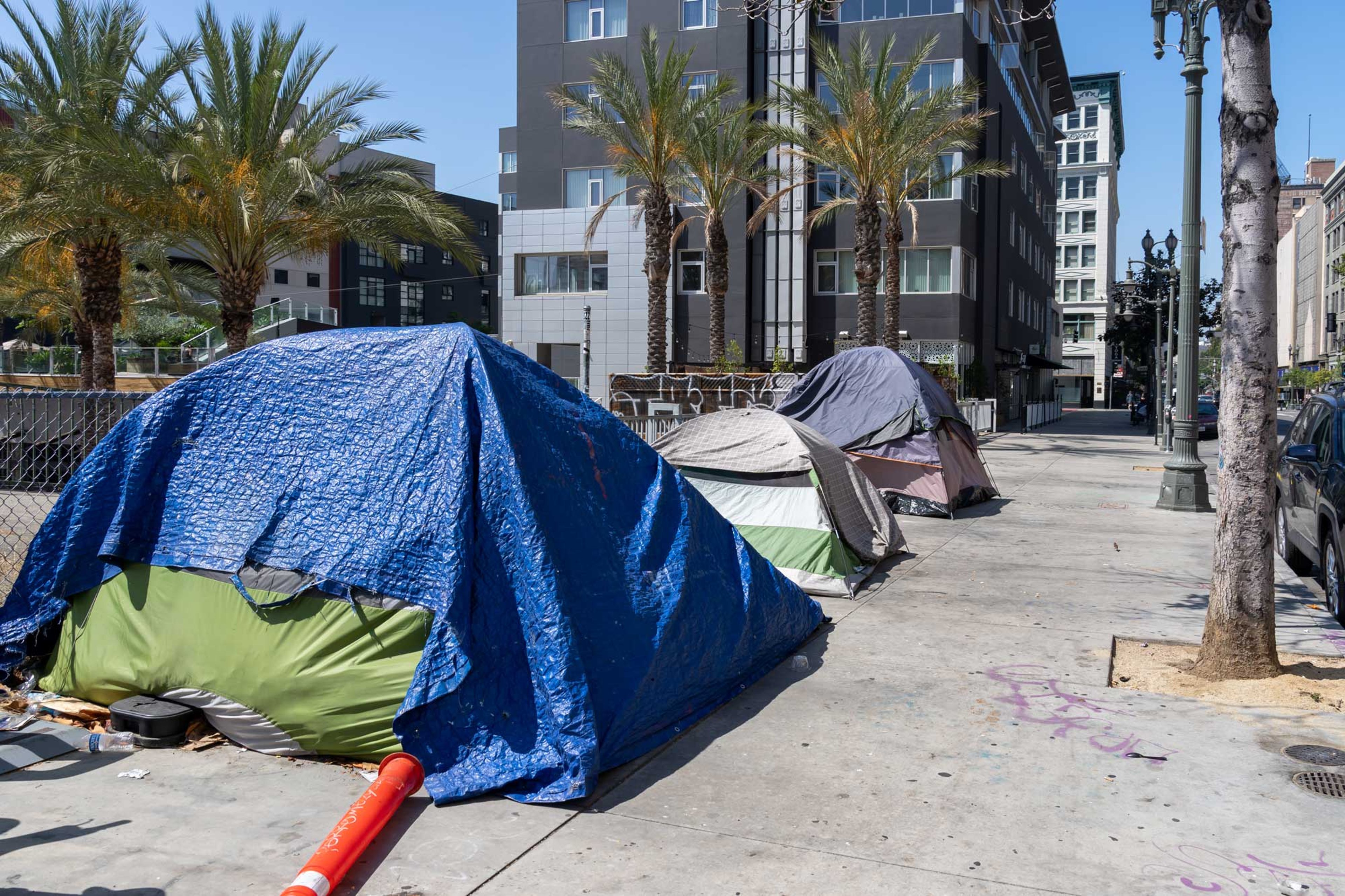
When you walk through a tent city in a downtown where people “free” of housing and good jobs are also “free” to smoke fentanyl until they die, does it look like capitalist society is offering them the greatest freedom in history?
When you watch the latest news about Elon Musk or J.D. Vance, does it look like our elite are the most intelligent, skilled, or charming people in our society?
Meritocracy only exists for those who make themselves useful to monopolists. The entire system is rigged in favor of those winning losers who work their way into it with the most connections, wealth, and power.
To struggle for freedom beyond capitalism is to struggle for a completely different organization of the relationships between people, from the workplace to political decision making.
If you want to defeat monopoly power and establish the democratic control of everyone over society, your efforts can only succeed with the force of an all-pervading law of social organization. The aspiration for a society organized by such a law already has a name given to us by history: communism.
Segment III.B. Freedom can be a reality
Communism is a movement that aims to do away with monopoly through the resistance and power of the propertyless and oppressed in their struggles for emancipation.
We believe that these struggles have the potential to birth a new global civilization if they are able to achieve their maximum progression in organizing their power to change society.
Communists have the power to achieve a new democratic republic—if you can keep it.
Looking at the big picture of world history measured in decades, even centuries, communism is a struggle for the abolition of exploitation of person by person by establishing common control over society’s resources and labor, directing their use to the good of each and all.
Communism’s aim is to emancipate people from fear and deprivation and give free rein to everyone’s use of social wealth for the sake of all to enjoy their free time.
People could use this opportunity to dedicate their lives to living meaningfully, especially through the cultivation of a wide variety of abilities—gardening, music, gastronomy, the arts, and more.
A communist society would pool labor and resources, then decide their allocation according to need.
In the money system, need is defined by wealth accumulation—the product that sells the most is supposed to be the most needed. Meanwhile, those without the money to participate aren’t even counted as needful people without political policies that set aside resources for them.
Need in a communist society would be defined by participatory politics.
An initial measure could be to define need in general as proportionate to someone’s participation in contributing to society’s labor, parallel to the way that the money system today defines need by the greatest concentration of the exchanges between money and products.
That means no more free toys for overgrown children like Elon—they would have to contribute to society to get things!
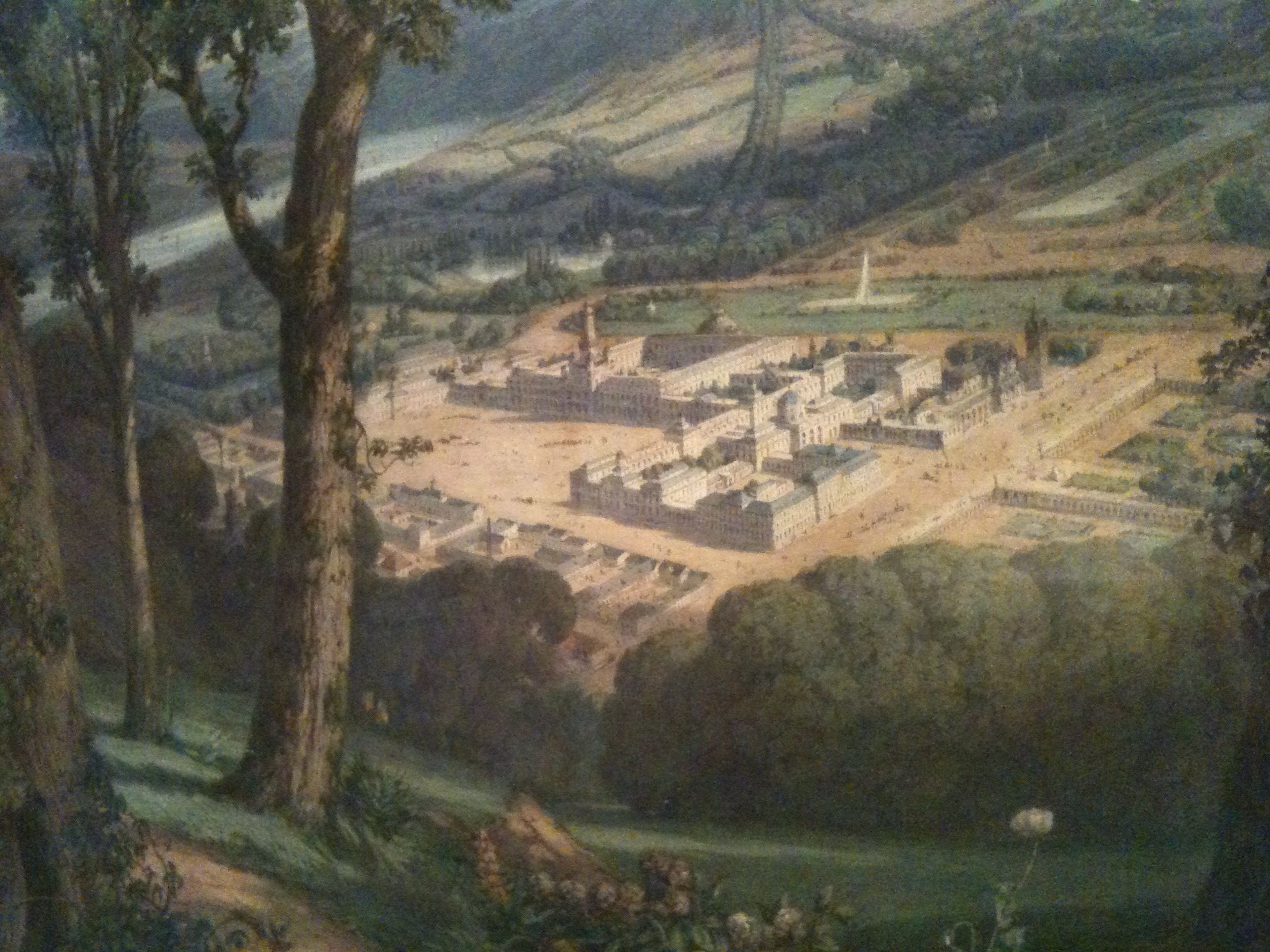
The contribution of individuals to the total labor and the aggregation of their products could be coordinated in a digital accounting system overlooked by planning databases, many of which would be the banks of today converted into offices run along democratic lines to serve a purpose useful for everyone.
It could be as simple as converting the system of bank accounts and debit cards into a labor token system that you can tap into at any worksite that you’ve signed up to.
There is a big difference between this and money.
Money as a form of wealth in capitalist society is useful in itself for the sake of making more money and having a greater ability to buy goods, get loans, enjoy status, or command society’s workforce.
By contrast, these tokens, little more than certificates of contribution, would only be useful for being turned in at a participating public or cooperative store in exchange for useful goods. Attempting to accumulate them would be as ridiculous as attempting to accumulate carnival tickets instead of exchanging them for prizes.
Work would be democratized from top to bottom, workers would manage themselves however worked best for them and their customers.
Today, managers are incentivized to whip their fellow workers into shape in exchange for a better contract, a bigger bonus, and a promotion.
Tomorrow, they could be reintegrated into the workforce by being made democratically accountable to their coworkers and subject to the collective political will of the working people.
Managers would not be petty tyrants who learn the targets of a pre-existing plan provided by their superiors and then dictate the workers to obey them, but lead their coworkers through the comradeship of working as a team of equals, the orchestrators and instrumentalists of a great working symphony.
The managers would have their authority limited by the moral pressure of their coworkers and by opinions of the public. All managers would be democratically electable and recallable. Their standard of living would be tied to that of their coworkers by their shared concern in obtaining equal compensation among themselves for the total contribution of their team to society.
Just as in capitalist society, the exceptions to the rule would always have to be political.
For example, in the case of those who can’t contribute a large share to the social fund, their needs would have to be addressed with policy measures to set aside resources for their care. The difference would be that the execution of the policy would be on the basis of their full voluntary cooperation and free participation. We would care for their wellbeing and support their loved ones rather than treating them as dead weight and their families as taboo.
Over time, as scarcity would be eliminated through automation and the careful management of production and circulation, the free distribution of goods could become the norm for all. Society’s work would be truly dedicated to life beyond work, an expansive conception of needs.
People would be rewarded proportionate to their contribution to a wealth that serves everyone’s needs. Yet everyone would be taken care of without having to prove their right to live by serving as a useful instrument.
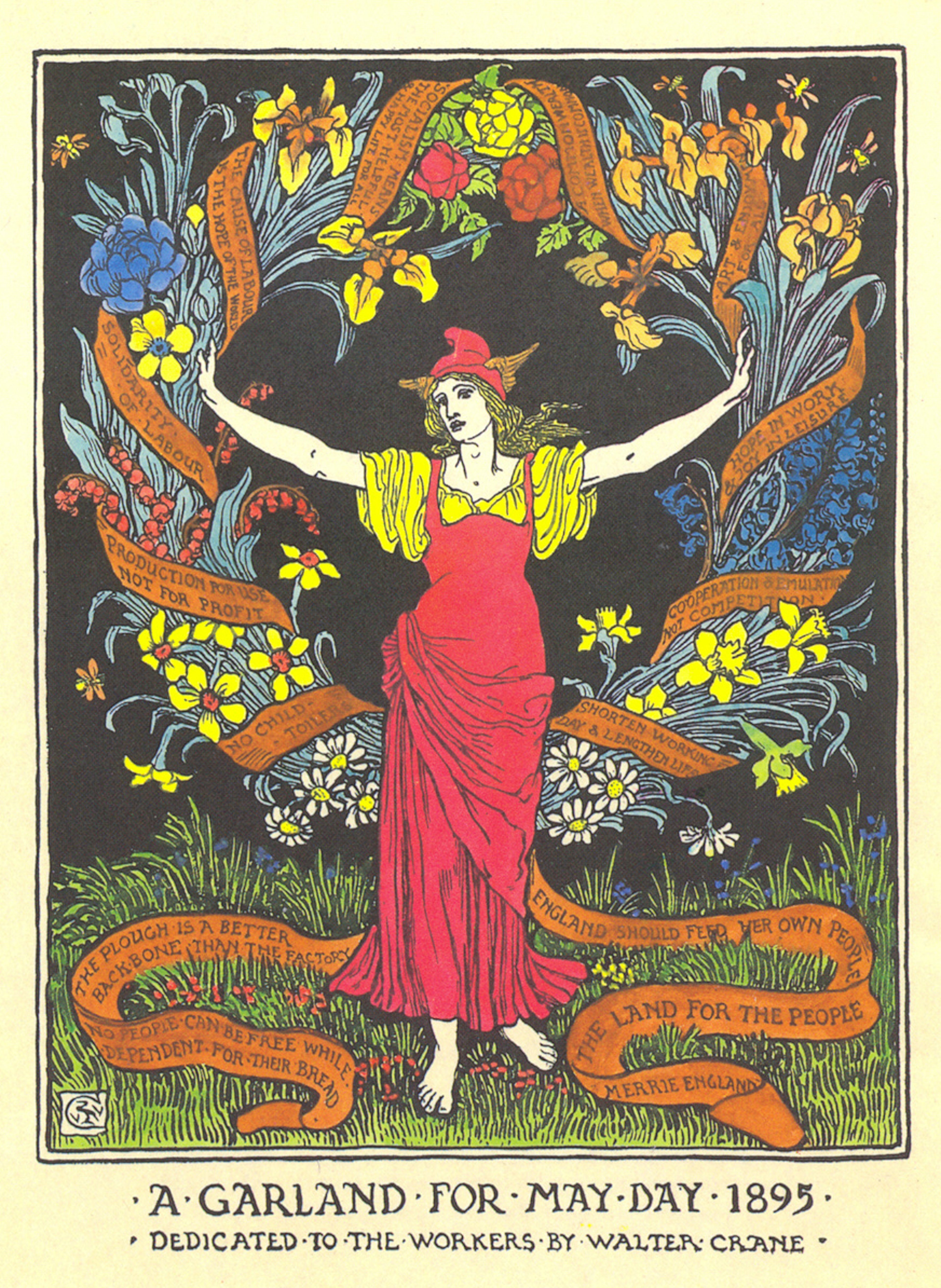
Capitalism has already developed the elements of these measures in embryo, today used as tools to control the masses.
Walmart operates through a centralized system of distribution that algorithmically measures which products customers buy the most and which the least, then adjusts orders for future stock in each location accordingly.
Amazon concentrates the distribution of products into a gigantic semi-automated warehouse system that algorithmically determines the contribution of each worker and micro-manages any who fall below maximum efficiency.
Imagine what workers could do with such efficient systems if they had the freedom to govern their own work instead of constantly worrying about punishment and unemployment.
Imagine if society’s usage of what is today totalitarian-controlled technology was made the choice of all people together.
The producers could do even more with their techniques than today if society’s needs were not defined by the concentration of money or maximization of productivity.
Needs would come to mean the well-considered priorities of a self-governing community concerned with the wellbeing of all, making what it would like to see in the world in accordance with this ethical sentiment into a reality.
We would no longer have to justify everything that we do as the result of the objective laws of all reality, but focus our cares on taking good care of everything.
Part IV. Tyranny, oligarchy, anarchy
Do you still think that communism just sounds like woke hippie nonsense?
You need to think a little about just how lost you are in the territory of your own enemies if you think that what I’m saying is unworthy of consideration and without ethical merit. Our world is run by a gang, and neither you nor I are members.
The neoliberal anti-communist case obscures this reality. You might have seen right-wingers attempt to deliver a devastating takedown to the left with the Margaret Thatcher quip: “Socialist governments traditionally do make a financial mess. They always run out of other people's money.”[24] Yet it seems like capitalists haven’t learned the same lesson. After 2008, the model of success for new business ventures hasn’t actually been to balance profits and losses. It’s to race to the top of the pyramid as fast as possible by all means necessary.
Amazon and Uber spent years operating on a deficit to keep their prices cheap, running their actually-profitable competitors out of business, before the companies finally achieved the monopoly power they sought and started sticking their fingers into every aspect of our lives. Now they profit by extracting platform fees from everyone else, demanding arbitrarily gouged prices from consumers, and forcing workers to keep up with fatal paces of operation.
You don’t just have to take my word as an anti-capitalist communist to learn this. Peter Thiel, founder of PayPal and Palantir, today the world’s financier Führer, has confessed that “competition and capitalism are opposites. If you didn’t already know it, you could discover it the natural, empirical way: do a quantitative study of corporate profits and you’ll see they’re eliminated by competition. But you could also take the human approach and ask: what are people running companies not allowed to say? You would notice that monopolists downplay their monopoly status to avoid scrutiny, while competitive firms strategically exaggerate their uniqueness. The differences between firms only seem small on the surface; in fact, they are enormous.”[25]
The founders of monopolies get to exercise the divine right of kings while shirking most of the social responsibilities that come with executive power.
The biggest capitalists today make their money by sitting in the middle of the places where people trade goods, taking up space as unavoidable middlemen, extracting rents from everyone else, and monopolizing the investment of social wealth for their own future growth without regard for the wellbeing of others.
What we long for, through our everyday efforts of mutual aid, is a free enterprising gift economy of all. The presence and growth of this gift economy is the measure and means for the success of a left culture. We wish to establish it as the very law of society, opening up a free trade of gifts for all.
Which of the two sounds more appealing? A reality where you are guaranteed to be unfree or a dream where you might be free?
Is it really so insane to imagine a communist society running on a deficit while it gets its affairs in order, but for the sake of serving the millions?
We have some historical precedence for this experimental policy. In 1917, Lenin’s Soviet Union cancelled all of the debts held by the Russian Empire. The Bolsheviks began to direct Moscow’s deficit spending towards assisting the new revolutionary republics emerging in Asia during the 1920s.
The Soviet state did not need to use the debts incurred by this spending to control other countries until, isolated by the world, the Soviet state began working to compel its debtor allies to work for the consumption needs and maintenance costs of their own republic.
Only the sustained international struggle of all peoples could prevent us from falling into the same fate as the Soviet Union.
If debt cancellation and deficit spending were carried out by a cooperative commonwealth today, they would be proving their friendly goodwill to the world and issuing IOUs on the future rise of other revolutionary republics.
If our hopes of a world revolution failed like they did for the Communists in 1919, then we would not need to worry about paying for the deficits. All loans are a speculation on future outcomes, and all debts are commitments to making good on a promise.
The failure of world revolution would mean that the IOUs failed, and that we would not be receiving any gifts from the fallen republics in turn.
In the meantime, we could focus our efforts carrying out new debt jubilees, organizing our society’s care work for the wellbeing of all within our reach, and winning over new friends.
Segment IV.A. From each according to their abilities
As people grew more accustomed to organizing production and distribution along communist lines, need could be defined more freely. Everyone would participate in the planning of the system at the lowest levels, a town hall of producers.
Admittedly, that process could be annoying when dealing with painfully drawn out discussions. But it’s not as if we can’t say the same about our do-nothing Congress today, which is much further from the grasp of regular people.
This new government would differ much with present day town hall meetings about zoning, taxation, and other petty litigation of property concerns. It would focus its efforts on concrete actionable items that all participants are potentially expected to act on if necessary. The new town hall would ground itself in the citizenship ethic of doing right by everyone.
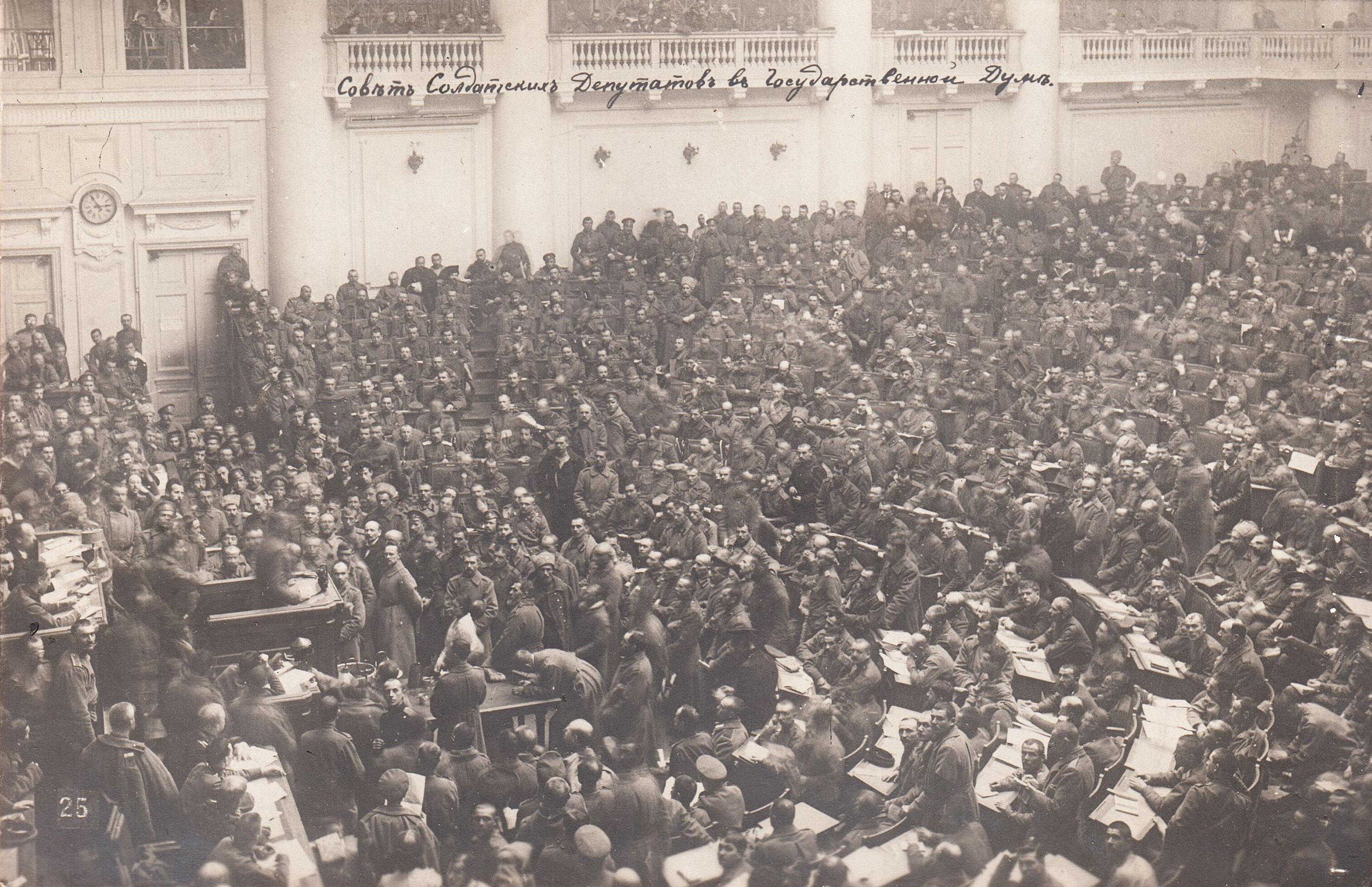
The producer’s town hall system would scale up from face-to-face and local assemblies of people to people calling a meeting together to delegate the grassroots leaders of their communities to the larger assemblies. The larger assemblies would draw community leaders from many other local assemblies. These assemblies would then delegate the most favored leaders among themselves to assemblies which are dedicated to addressing the more specific problems of social policy and work out plans of actions to address them.
In reversal from today, where the smallest levels of government are the only ones that can address the needs of society as a whole, this system would make any groups of people who care enough about the world to participate in its public affairs into servants of the people.
All of the levels of delegates would be working together to formulate society’s needs in associations that would intertwine into each other until their network made up a general council that could formulate a general plan that everyone senses to be good enough to secure wellbeing for everyone.
Segment IV.B. To each according to their needs
In a mature communism, this plan would be directed to the satisfaction of needs far beyond subsistence.
Planning would be dedicated towards the highest aspirations of every community to the good life for each and all. The recovery of the new world and Mother Earth from the agonies of birth would fill everyone’s lives with free air.
We would have a sense of power in our lives.
We would look to our neighbors and see a beloved community.
We would be free to spend our days striding peacefully through the world around us.
We would have a sense of the oneness of everything.
Our hearts would be filled up with the reciprocal play of all things with their opposites.
Our feelings would take on life as the different elemental forces of the reality around us.
We would come to understand the powers that all things are capable of when gathered together in certain alignments.
We would determine the nature of the different combinations of things.
We would learn that they hold many potential outcomes.
Educating ourselves by experience, we would come to know the meaning of autonomy and responsibility.
We would then seek to put ourselves together in a beautiful ceremony meant to channel their power through our spontaneous and meditated actions alike.
We would thrill ourselves and each other by providing gifts of bread and roses to everyone in a festival that joins the worlds of all together.
Life would mean liberated bliss. Weightless responsibility. Equal consideration. Mutual care. Universal love for all life. Homely regard for the planet. The knowledge that all things in the universe are a one that is not a singular thing.
Liberty would mean the open air of the night sky. The stars that fill us with an absolutely certain conviction that our concern in the good of all things must never be forgotten. The shining emptiness between the stars and the void where you can seem to see your own hope. The fragment of reality that is right there.
The pursuit of happiness would mean the purity of even imperfect things. The way that we find them throughout the cosmos. The harmony of all things in a starry and peaceful current. The way of it all. The nature of everything as just—that, there.
Freedom.
Segment IV.C. How dreams become reality
Maybe all of this sounds to you like I’ve been daydreaming too much and need to get back to my responsibilities.
I don’t blame you for thinking this. I don’t deny that I escape into the world whenever I end up in a situation that I don’t accept being subjected to and decide to at least reserve my own attention for something that I care about.
Is being a pessimist based on experience so unreasonable? And anyways, I prefer to spend my time seeking out optimism and peace in my own way. I don’t see why this should be so disqualifying from my right to say what I feel and think is right.
I want to ask you to think about how many things about the operation of present-day society already seem so unreal.

We become desperate to just forget about them, accepting responsibility for all of the suffering that the world weighs us down with.
Don’t turn away from what persistently afflicts you. You must work through it to get out of it.
Capitalist society continues to work fine even when millions of lives are cast into the purgatory of unemployment.
During the height of the COVID-19 pandemic, we got to see just how big the gap was between the “essential workers” needed to keep society running and the jobs that seem to primarily exist for the sake of moving money around. And even then, it’s not as if the functions that the managers of this system define as "essential" fit very well into our basic pragmatic sense of wellbeing.
Think of the examples all around us of how wealth is wasted. It goes to industries that are making our planet uninhabitable. Bloodthirsty military adventures that kill thousands. Real estate speculation that only houses the rich. Businesses that throw unsold food away instead of feeding the hungry with it. Useless plastic knicknacks that end up in landfills months after being manufactured.
All of that wealth represents social productive power that could be much better used for other ends, if each of us finally had the power to actually govern our collective conditions.
We communists are people who want to realize the free world that they, the monopoly capitalists and their complacent collaborators, seek to prevent at all costs.
This bigger picture fills “communism” in a bit more, but it doesn’t yet put the name into focus as a thing we can reach out into and get to know as a lived reality.
The specific meaning of this communism for us has to be clarified by our own collective struggles.